If you’ve been shopping for a way to keep bugs out of a sliding patio opening without adding a permanent door, you’ve already met the term retractable screen door — a screen panel that stores itself out of sight when you don’t need it. The “sliding track” part describes how it moves: two vertical aluminum channels anchored to the door frame guide the screen left and right instead of swinging on hinges. When you’re not using it, the mesh rolls back into a slim housing so your view stays unobstructed. What nobody tells you upfront is that two products with nearly identical names — one a $35 roll of mesh with snap-in plastic channels, and one a $220 Paramondo aluminum-frame system — are solving the same problem with radically different engineering. This article lays out exactly where that $185 gap goes, who gets their money’s worth at each price point, and the specific tradeoffs that matter if you’re deciding right now.
| EDITOR'S PICK[Paramondo Retractable Screen fo…](https://www.amazon.com/dp/B0GV2MJ1QT?tag=greenflower20-20) | Mid-tier[Beeveer Retractable Screen Door…](https://www.amazon.com/dp/B0GF7XPQQF?tag=greenflower20-20) | Budget pickRetractable Screen Door | |
|---|---|---|---|
| Frame Material | Aluminum | — | — |
| Self-Stop | ✓ | — | — |
| Fits Door Width | 72.75" | 36" | 36" |
| Fits Door Height | 81.375" | 82" | 80" |
| Magnetic Closure | — | ✓ | — |
| Price | $217.49 | $54.99 | $32.99 |
| See on Amazon → | See on Amazon → | See on Amazon → |
What You’re Actually Comparing: Three Tiers Before You Even Name a Brand
The market for sliding retractable screen doors has quietly fractured into three distinct tiers, and conflating them leads to bad purchases at both ends.
Tier 1 — Roll-Curtain Systems ($25–$60)
These are the products you find at big-box stores and on major online retailers: a rolled mesh panel on a spring-loaded rod, two plastic or thin-gauge aluminum side rails, and a self-adhesive or screw-mount attachment strip. They’re technically “retractable” and technically use “aluminum” — often the thinnest extruded channels available. Brands in this space include Flux Phenom, Yotache, and a rotating cast of white-label manufacturers. According to Bob Vila’s buyer’s overview of retractable screen doors (“The Best Retractable Screen Doors,” bobvila.com), these entry kits are designed for openings up to roughly 36 × 82 inches and are rated for light residential use. The cassette housing is lightweight plastic and the mesh is typically a thin polyester weave rather than fiberglass.
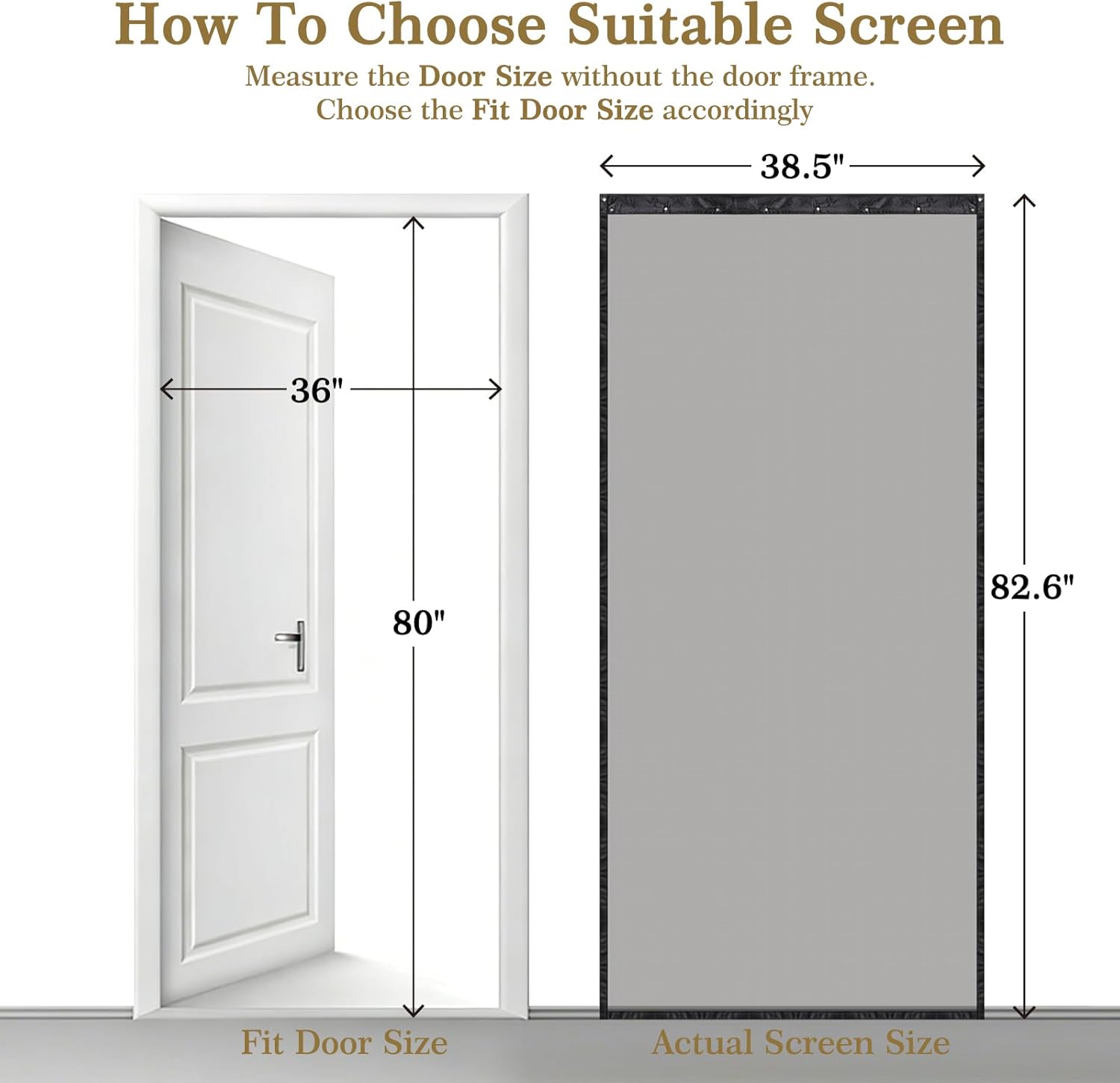
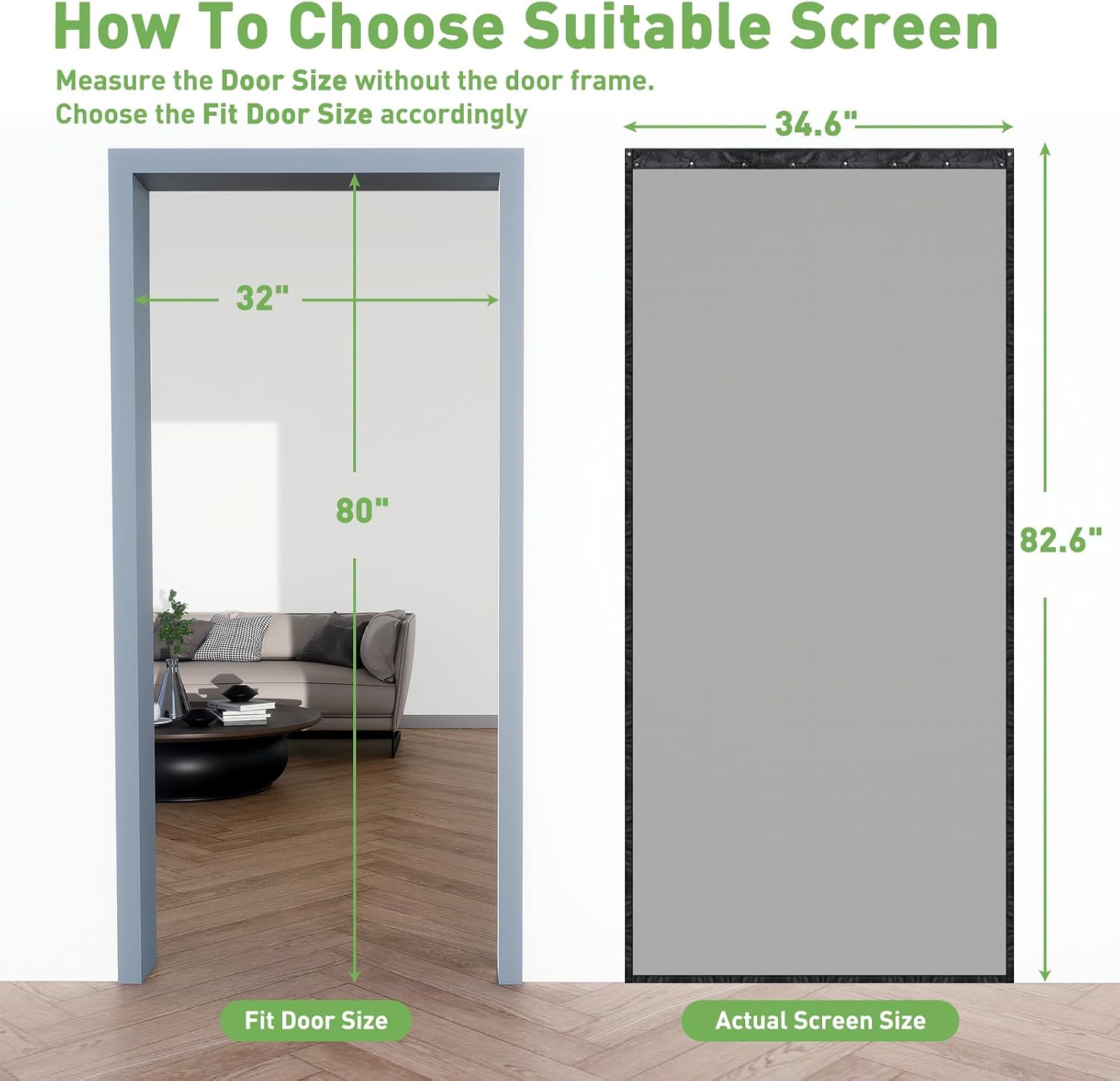
Retractable
$32.99
In stock on Amazon
Check price on AmazonTier 2 — Mid-Range Fixed-Track Aluminum Systems ($90–$180)
Here the aluminum profile becomes meaningful — usually 1–1.5 mm wall thickness versus the 0.5–0.8 mm typical in Tier 1. The screen mesh is typically a heavier fiberglass weave (18×16 or 20×20 count) rather than polyester netting. Brands like Phantom Screens’ entry products, Larson’s retractable line, and several regional screen-room fabricators land here. The housing cassette starts to feel structurally solid rather than flimsy, and manufacturer warranties extend to one to two years on parts.
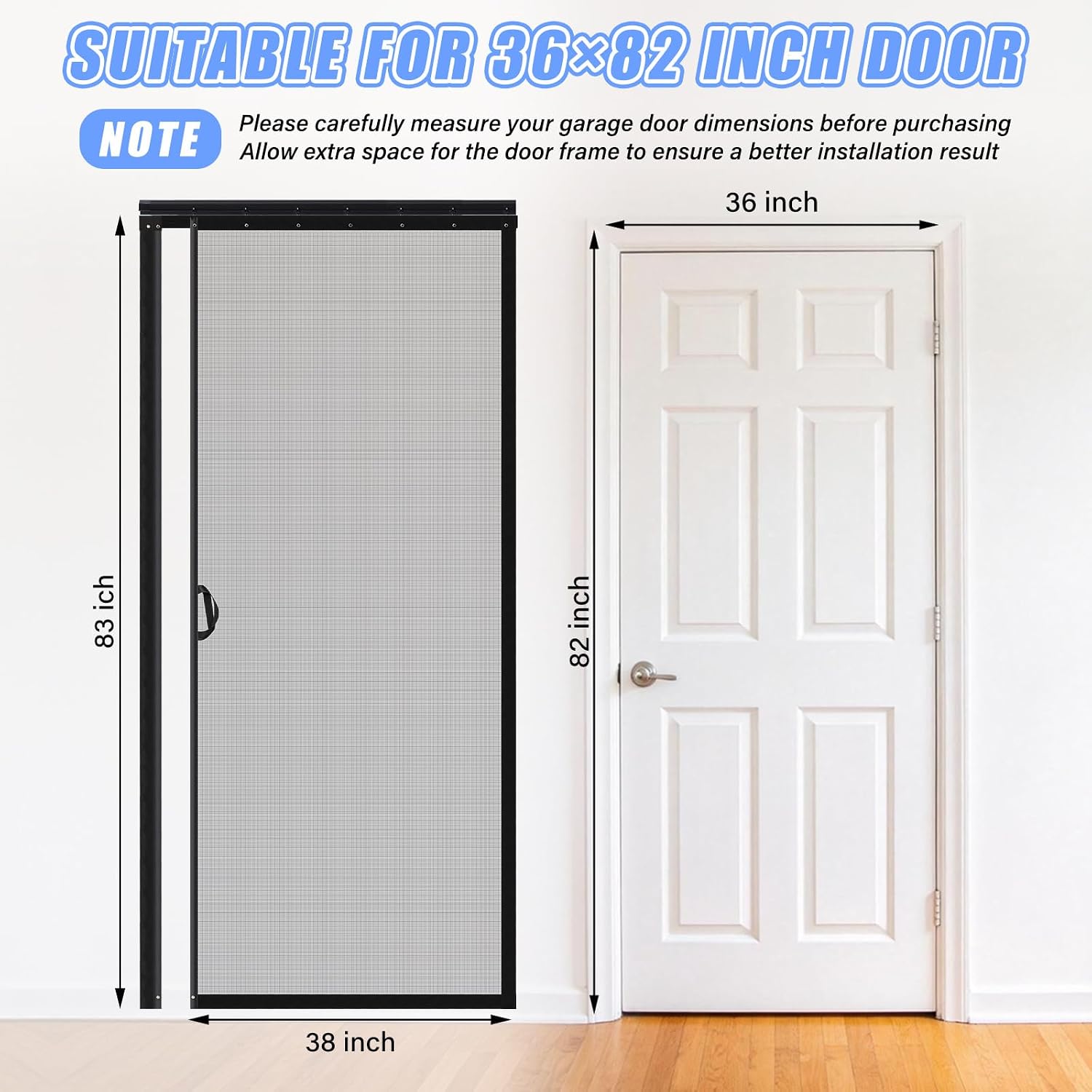
Beeveer
$54.99
In stock on Amazon
Check price on AmazonTier 3 — Premium Aluminum-Frame Sliding Systems ($180–$350 DIY; $400–$850 Installed)
This is where the Paramondo iMove sits. The iMove uses a powder-coated aluminum frame with genuine structural profiles, a sealed cassette housing, bottom-rail weighting for consistent mesh tension, and an interchangeable mesh system that allows you to swap insect screen for solar mesh or privacy mesh without buying a new unit. As Wirecutter’s editors note in their screen door roundup (“The Best Screen Doors,” wirecutter.com), the defining quality gap between commodity and premium retractable doors is almost always the cassette construction and the bottom rail — not the mesh itself. The Paramondo iMove exemplifies exactly that engineering difference.
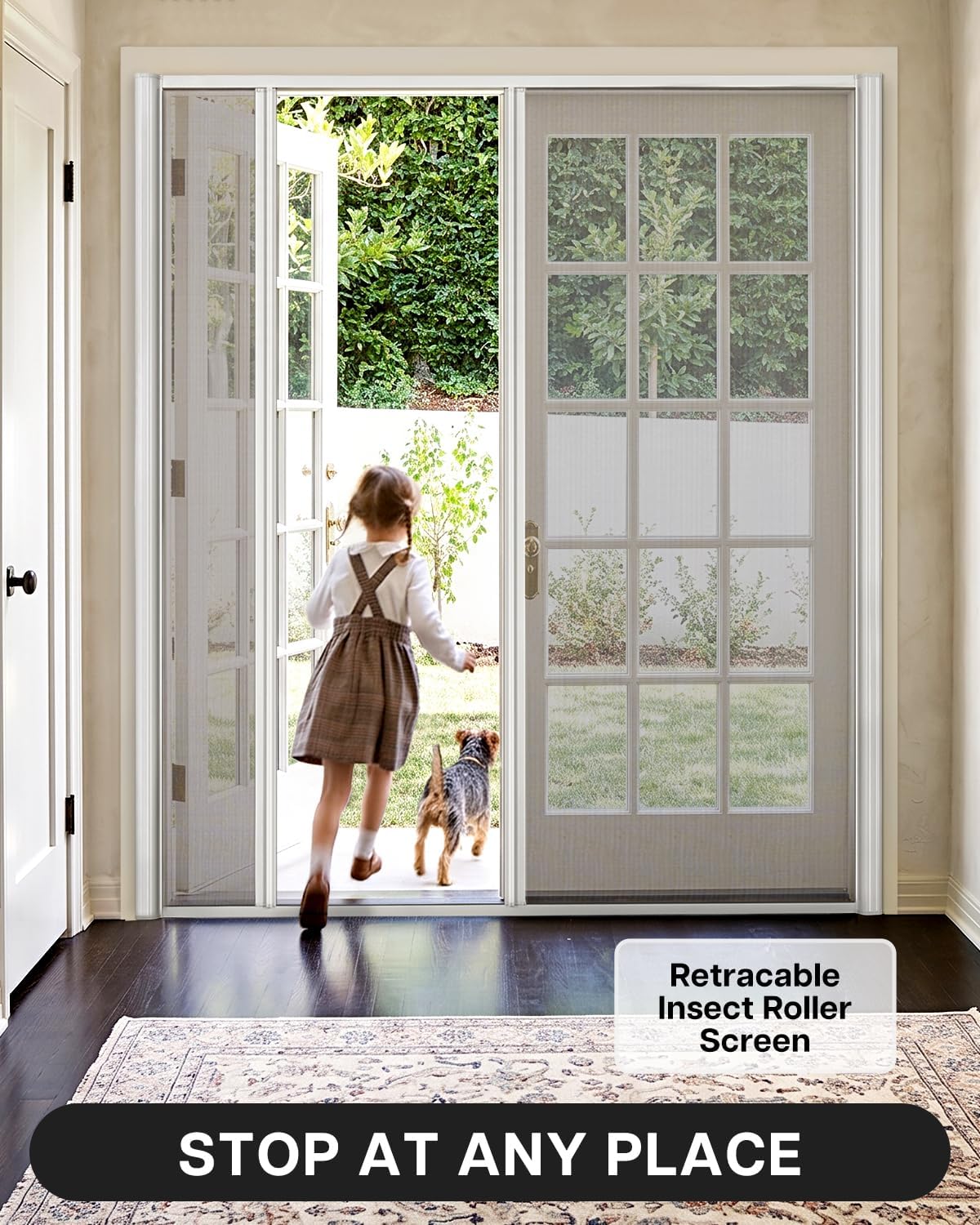
Paramondo
$217.49
In stock on Amazon
Check price on AmazonHead-to-Head Comparison: Budget Roll vs. Paramondo iMove
| Feature | Tier 1 (Budget Roll) | Tier 3 (Paramondo iMove) |
|---|---|---|
| Street price (mid-2026) | $35–$55 | $199–$229 |
| Aluminum profile wall thickness | ~0.5–0.8 mm (spec sheet typical) | ~1.2–1.5 mm (manufacturer-rated) |
| Max opening width (spec) | 36 in | 48 in (XL kits to 60 in) |
| Mesh swappable? | No | Yes |
| Warranty (manufacturer-stated) | 90 days–1 year | 2 years parts, 5 years frame |
| Angi-reported pro install add-on | $75–$120 labor | $120–$180 labor |
Retractable
$32.99
In stock on Amazon
Check price on AmazonBeeveer
$54.99
In stock on Amazon
Check price on AmazonParamondo
$217.49
In stock on Amazon
Check price on AmazonWhere the $185 Goes — and Where It Doesn’t
This is the practical core of the decision. Here’s a direct account of what the price gap buys and what it doesn’t.
Frame rigidity and door sag. The single most consistent owner complaint about Tier 1 roll-curtain systems — noted by This Old House in their screen door buyer’s guidance (“How to Choose the Right Screen Door,” thisoldhouse.com) — is lateral sag and bottom-rail flutter in any meaningful breeze. The bottom of the screen panel on budget units has no weighted aluminum bar; it’s held in place by a light magnetic strip or nothing at all. In a screened porch where a ceiling fan runs regularly, that flutter becomes operationally annoying within weeks. The Paramondo iMove’s bottom rail is a weighted extruded aluminum bar that keeps the mesh taut. Owners in extended-use reviews consistently describe this detail as what makes the product feel like a real door rather than a shower curtain.
Cassette durability. The housing box that stores the rolled mesh is the component that fails first on budget units. The spring tension mechanism in Tier 1 cassettes is typically rated for roughly 10,000–15,000 open/close cycles. Premium cassettes like the Paramondo’s are rated at 30,000 or more cycles. If you’re going in and out four times a day, 10,000 cycles is fewer than seven years of use; 30,000 cycles is closer to twenty. Family Handyman’s screen door installation guidance (“Screen Door Installation Guide,” familyhandyman.com) identifies cassette spring failure as the primary long-term failure mode in budget retractable systems.
Opening width. Budget roll systems max out structurally at 36 inches. If your sliding door opening is a standard 72-inch or 96-inch double patio door, you need either two Tier 1 units meeting in the middle — which creates a weak center seal — or a single Tier 2/3 system that handles wider spans. The Paramondo iMove covers single openings up to 48 inches; the XL version covers up to 60 inches. For double-door applications, two Paramondo units can be paired, and the center seal is designed to mate cleanly, unlike the plastic magnetic strips on budget kits.
Mesh interchangeability — the underrated differentiator. A Tier 1 system comes with one mesh grade. If you decide later that you want 60% solar mesh to reduce afternoon glare — a common upgrade once homeowners start treating the porch as a year-round room — you’re buying an entirely new unit. The Paramondo’s cartridge system allows mesh replacement without a new frame purchase. At $60–$90 for a replacement solar-mesh cartridge, the frame amortizes across multiple use cases over its lifespan.
Where the gap does NOT matter. If you’re screening a temporary opening — a garage door during a renovation project, a rental unit you don’t own, or a seasonal sunroom you’ll rescreen annually — none of the durability premium applies. A $35 roll curtain that lasts two seasons is exactly the right tool. This Old House’s guidance on budget screen solutions (“How to Choose the Right Screen Door,” thisoldhouse.com) explicitly notes that self-adhesive roll systems are appropriate for temporary or rental applications where permanence isn’t the goal.
The Installation Tradeoff: Time, Tools, and What Can Go Wrong
This is where intermediate buyers sometimes get surprised by the true total-cost delta.
Tier 1 systems install in under an hour with a drill and level. The plastic channels are forgiving of slightly out-of-plumb frames because they flex. The downside: that same flex means the track can bow under any lateral load — a child grabbing the screen edge, a dog bumping through — and once bowed, the channel rarely recovers its original alignment.
Tier 3 aluminum systems require a plumb, square opening. If your door frame has drifted out of square, which is common in older homes, you’ll need to shim or fur out the frame before installation. Family Handyman’s screen door installation guidance (“Screen Door Installation Guide,” familyhandyman.com) recommends checking frame squareness with a 4-foot level and measuring diagonal corner-to-corner distances before ordering any fixed-track system; a variance of more than ¼ inch corner to corner indicates shimming work will be needed.
According to Angi’s screen door installation cost data (“Screen Door Installation Cost Guide,” angi.com), professional installation of a mid-to-premium retractable sliding screen adds $120–$180 in labor for a single opening. For most homeowners, that’s a reasonable insurance policy against a misaligned track — the most common installation failure mode cited in aggregated owner reviews of aluminum-frame systems.
Decision rule on installation: If the opening is a standard new-construction frame and you’ve installed door hardware before, DIY installation of the Paramondo is reasonable. If the frame is older than 15 years or you’re working in a wood-framed porch where settling is visible, budget for professional installation or at minimum a careful frame-check step before ordering.
Regional Fit: Why Sunbelt Buyers Should Weight This Decision Differently
Buyers in Florida, coastal Texas, and the Gulf Coast face a specific operating environment that shifts the value math noticeably.
Humidity levels above 70% sustained for months — standard in coastal Florida — accelerate degradation of both spring mechanisms and mesh weaves. Budget polyester mesh can show UV breakdown and corner fraying in 18–24 months under direct Florida sun. Fiberglass mesh in the same environment typically lasts 5–7 years under similar conditions.
More significantly, Florida’s building code environment scrutinizes screen enclosure attachments for wind-load compliance in permit-required projects. A self-adhesive roll curtain has no wind-load rating and will not pass inspection in any permitted screen room addition. Bob Vila’s coverage of screen enclosure projects in humid climates (“The Best Retractable Screen Doors,” bobvila.com) notes this compliance gap explicitly: commodity roll systems are appropriate only as interior room dividers inside already-permitted enclosures, not as the primary weather seal on a permitted structure.
If your project involves a permit — and most Florida lanai enclosures over roughly 150 square feet require one — you need a system with documented structural ratings. The Paramondo iMove’s aluminum profiles carry manufacturer wind-resistance ratings suitable for a single door opening within an existing permitted enclosure. For a full new enclosure addition, you would move up to specification-grade aluminum framing from suppliers such as Screen Tight or Screeneze, but for a door insert within an existing structure, the Paramondo meets the typical threshold.
The Clear Decision Rules
After comparing published specifications, manufacturer warranty terms, and the consistent patterns from editorial sources including This Old House, Family Handyman, Wirecutter, Angi, and Bob Vila, the decision framework is straightforward.
Budget Is Right When the Project Is Temporary
If your opening is 36 inches or narrower, the installation is temporary or seasonal, and you’re not in a high-humidity or high-UV climate, the $35 roll curtain is the correct tool. Don’t over-invest. Install it, use it, replace it in two to three years without guilt.
Retractable
$32.99
In stock on Amazon
Check price on AmazonMid-Tier Fills the Gap for Standard Permanent Openings
If your opening is in the 36–48 inch range, the frame is plumb, and you want a step up in cassette durability without the full Tier 3 investment, mid-range systems from established brands like Larson or Phantom Screens’ entry line offer meaningful improvements in spring-cycle ratings and mesh quality over budget roll kits. Expect to pay $90–$180 and budget for roughly 1–2 hours of installation time on a square frame.
Beeveer
$54.99
In stock on Amazon
Check price on AmazonPremium Pays Off Over a Decade of Daily Use
If your opening is 37–60 inches wide, you’re in a Sunbelt climate, or you treat the porch as a year-round room, the Paramondo iMove (or an equivalent Tier 3 system) is worth the $185 premium over a budget roll curtain. The frame rigidity, cassette durability rated at 30,000-plus cycles, and mesh swappability mean the unit’s 8–10 year lifespan makes the per-year cost ($22–$28 per year) directly competitive with replacing a budget unit every two to three years ($12–$18 per year) — without the repeated installation labor cost.
Paramondo
$217.49
In stock on Amazon
Check price on AmazonIf your project requires a permit or is part of a new screen enclosure addition, neither the $35 curtain nor the $220 Paramondo replaces a specification-grade aluminum framing system. Move to Screeneze, Screen Tight, or a custom aluminum profile from a regional enclosure contractor. The $35-to-$220 comparison is the right frame for door-opening inserts within existing structures — not for the primary enclosure structure itself.
The gap between a $35 curtain and a $220 Paramondo is real, and it’s mostly engineering. Knowing exactly which project needs which level of engineering is the decision that pays.